
Data · Applied Research · Institutional Innovation
A global network based in NYC translating data and applied research into the foundational architecture of tomorrow's smarter institutions.
Global Hubs — NYC, Lisbon, Dubai, Macao, Shanghai, Santiago, Luanda
Years Across Academia, Startups & Consulting
Pillars Driving Our Innovation Roadmap
Advanced Service Verticals
Who We Are
A Global Network Based in NYC to translate data and applied research into smarter institutions — where artificial and collaborative intelligences meet.
To transform public entities, private enterprises and global governance by turning intelligent data and applied multidisciplinary research into the foundational architecture of tomorrow's smarter organizations and societies.
We accelerate institutional innovation incrementally, building upon what exists, by converting data and multidisciplinary research into analytics, practical strategy and tech-driven impactful solutions — equipping governments, multilateral agencies, and private enterprises to navigate development economics, AI governance, circular data, and tech-for-integrity.
Identify opportunities and challenges for AI innovation.
Augment AI opportunities, mitigate challenges and upskill talent.
Craft an AI innovation agenda and make strategic decisions.
Train, test, validate and deploy AI; build lasting partnerships.
Continuously identify new opportunities for AI innovation.
Share knowledge and scale impact across sectors.
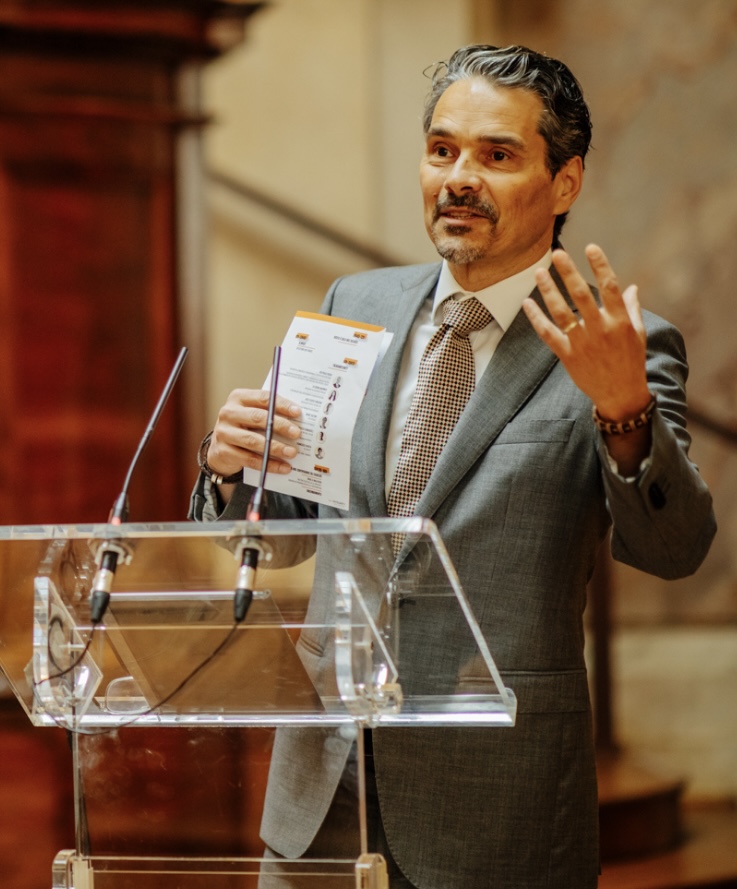
Development Economist • International Consultant • University Professor • Inventor • Founder • Author
What We Do
Three decades of experience across academia, startup incubation, and high-level international consulting, focused on five interconnected verticals.
From governments to global enterprises, we partner to translate research into resilient, scalable institutions.
Start a ConversationWhere We Work
Our blend of development economics, institutional innovation, and advanced technology integration spans two complementary domains.
Selected works with publicly available URLs by ARCx founder André Corrêa d'Almeida — the intellectual foundations of ARCx's practice.
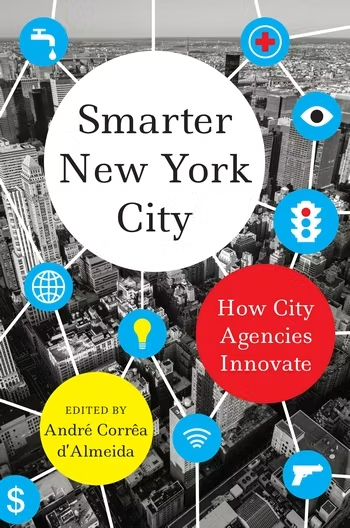
Smarter New York City: How City Agencies Innovate
Columbia University Press
A landmark collaborative study drawing on nine universities and 21 research centers to document how New York City agencies innovate under real-world constraints. Required reading for urban governance and GovTech practitioners worldwide.
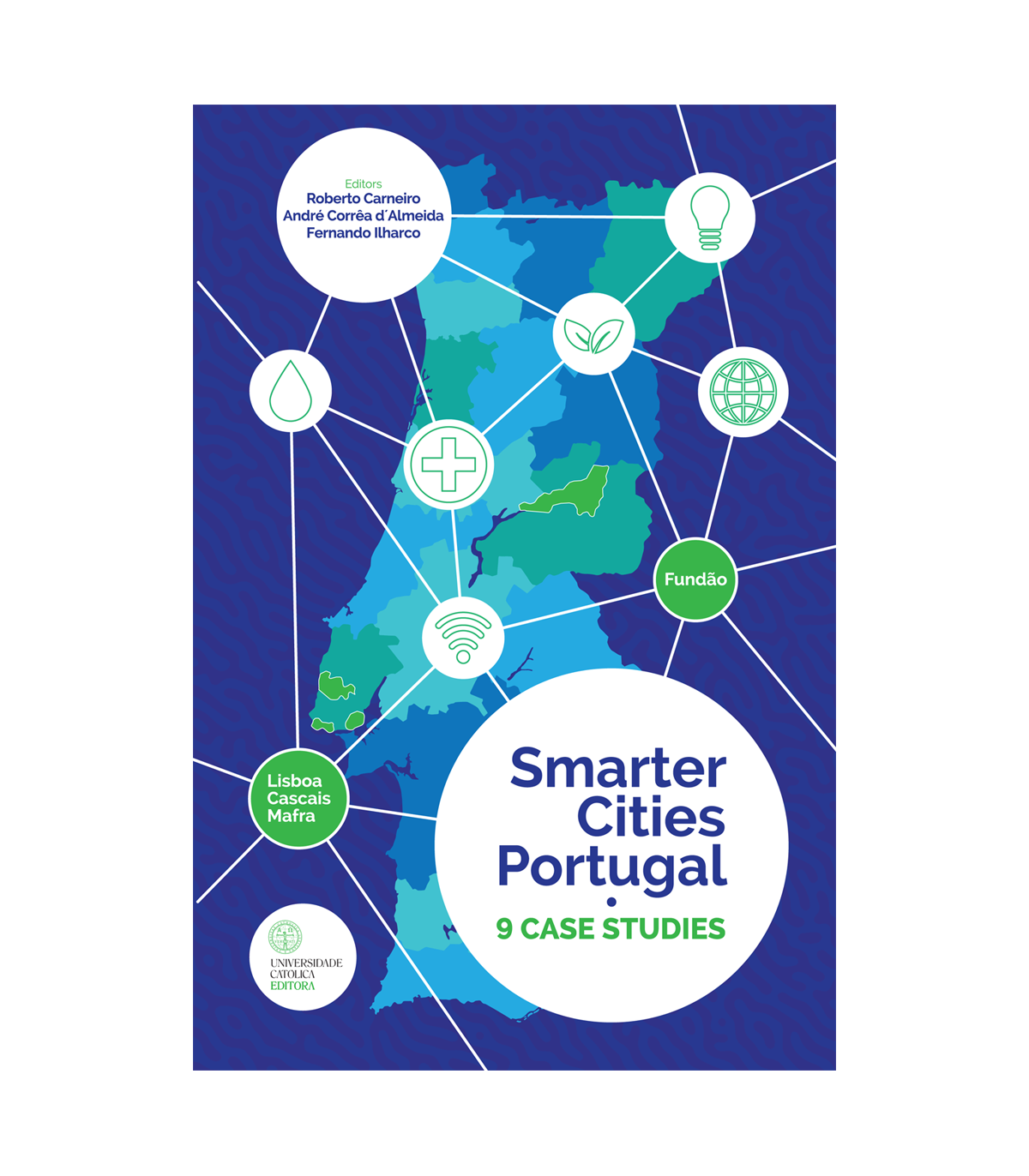
Smarter Cities Portugal: Innovation Incubators and Public Entrepreneurs in Times of Decentralization
Universidade Católica Editora
Examines how Portuguese cities are fostering public entrepreneurship and innovation ecosystems amid fiscal decentralization. Maps the institutional landscape of smarter governance across Lisbon, Cascais, Fundão, and Mafra.
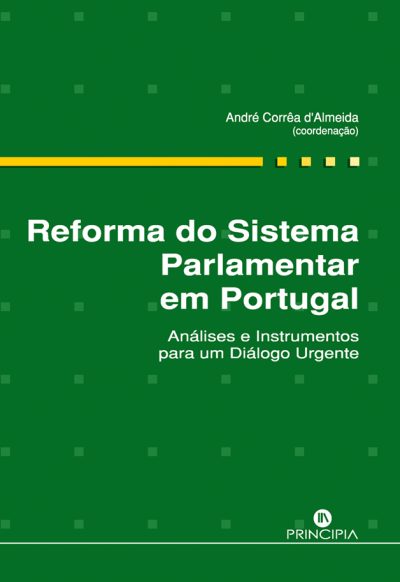
Reform of the Parliamentary System in Portugal: Analyses and Tools for an Urgent Dialogue
Principia Editora
A multidisciplinary assessment of Portugal's parliamentary system, providing analytical frameworks and reform tools to close the gap between citizens' demands and political supply. Grounded in institutional analysis and empirical evidence.
Understanding Journalism Impact: A Multi-Dimensional Taxonomy for Professional, Organizational and Societal Change
Journal of Applied Journalism & Media Studies
2021DEBACER: A Method for Slicing Moderated Debates
Anais do XVIII Encontro Nacional de Inteligência Artificial e Computacional
2019Introduction to the Circular City Research Program
The Circular City Research Journal, 1
2017The Irrelevance of Political Parties' Differences for Public Finances: Evidence from Public Deficit and Debt in Portugal (1974–2012)
European Review, 25(4)
2013The Portuguese Language in the United Nations: Framing Policy Design
International Journal of the Sociology of Language, 224
2009Skilled Migrants' Dynamics, Institutions, Innovation, and Diffusion: A Conceptual and Analytical Framework
Comparative Technology Transfer and Society, 7(1)
2008FEMA and the Witt Revolution: Testing the Hypothesis of "Bureaucratic Autonomy"
Public Organization Review, 8(4)
2007Impact of Immigration on Public Finance in Portugal: A Longitudinal Approach 2001–2003
Observatory of Immigration, 1 (2nd ed.)
Frontiers of Information Integrity in Climate Change and Climate-related Disasters ↗
United Nations Development Programme · Corrêa d'Almeida, A., Cottica, A. and Idrizi, Z.
Maps the information dynamics shaping global climate debate and action, and surveys interventions against climate-related mis-, dis- and malinformation by governments, media and civil society. Prepared to support policymakers and practitioners strengthening information integrity in climate and disaster-related contexts. Accompanying dataset: doi.org/10.5281/zenodo.19005715 ↗
UNDP Quality Standards and Programming — Review, Spot Check, Tools and Opportunities for Organizational Learning and Enhanced Effectiveness
United Nations Development Programme · Corrêa d'Almeida, A. et al.
Comprehensive review of UNDP's quality assurance standards covering 425 development projects across five global regions. Developed and implemented AI/LLM-assisted spot-checking rubrics and organizational learning protocols.
Smarter New York City: How Agencies Innovate in a Time of Crisis ↗
Columbia University Case Consortium · Corrêa d'Almeida, A. et al.
Award-winning teaching case study and short film documenting how NYC agencies adapted and innovated during periods of acute crisis. Used in executive education programs at Columbia and beyond.
Collaborative Intelligence: A Blueprint for a New Artificial Intelligence Institute ↗
New York Academy of Sciences · Corrêa d'Almeida, A. and Ingle, A.
Designs a governance and collaboration model for an interdisciplinary AI institute, emphasizing cross-sector partnerships and ethical AI deployment. Blueprints the institutional architecture needed to translate AI research into public-interest outcomes.
UNDP Policy Review of Quality Standards for Programming: Evaluation Report ↗
United Nations Development Programme · Corrêa d'Almeida, A. et al.
Designed and led the UNDP Policy Review of Quality Standards for Programming, evaluating a stratified sample of 425 projects across five global regions. Developed and piloted a spot-check rubric drawing on input from 381 assessors and approvers worldwide.
The Retention of Highly Skilled Returnees in Mozambique: An Institutional Approach ↗
The African Capacity Building Foundation, Occasional Papers 20 · Corrêa d'Almeida, A.
Applies an institutional framework to examine the structural barriers preventing highly skilled Mozambican returnees from contributing to national development. Offers policy recommendations for diaspora engagement and knowledge retention in sub-Saharan Africa.
in English and Portuguese
O Fenómeno de Desinformação (e Confusão) sobre os Poderes do Presidente da República ↗
Expresso · Corrêa d'Almeida, A.
Argues that Portugal's President holds real legislative and administrative power to shape national goals and mobilize resources toward them, not merely a passive duty to "ensure institutions function" — and that exercising it requires a culture of checks and balances the country currently lacks.
Mensagem ao Futuro Primeiro-Ministro: Como Selecionar Ministros para o Bem de Portugal? ↗
Público · Corrêa d'Almeida, A.
Argues that the more politicized Portugal's senior civil service appointments become, the more technically competent and well-prepared ministers need to be, and calls for reform of the ministerial selection process.
Revolução Inacabada: Um Semipresidencialismo em Falência e um Parlamento por Reformar ↗
Público · Corrêa d'Almeida, A.
Argues that Portugal's semi-presidential system has failed to deliver real checks and balances between presidency and government, leaving Parliament captured by the executive since the 1976 Constitution.
Precisamos de Mais e Melhor Oferta Formativa na Área do Combate à Corrupção ↗
Público · Corrêa d'Almeida, A., Neto de Carvalho, C., Pereira Leite, J. and Saldanha, M.
Presents All4Integrity survey findings showing Portuguese university courses rarely cover the topics executives say matter most for fighting corruption, and calls for better anti-corruption training.
Integridade na Gestão Municipal: 10 Mandamentos ↗
Observador · Corrêa d'Almeida, A.
Proposes a ten-point framework for Portuguese municipalities to combat corruption and promote integrity, arguing Portugal can become an international reference in ethical local governance.
Integridade Organizacional: Fatores de Risco e Oportunidades para a Oferta Formativa ↗
Público · Corrêa d'Almeida, A., Neto de Carvalho, C., Pereira Leite, J. and Saldanha, M.
Draws on an All4Integrity survey of managers, academics and practitioners to identify the biggest risk factors for organizational integrity and the most under-addressed training gaps in Portugal.
Raízes Institucionais e Tribais da Corrupção em Portugal ↗
Observador · Corrêa d'Almeida, A.
Argues that Portugal's corruption, nepotism and conflicts of interest stem from deep institutional and social roots tied to historical over-centralization of power and a weak public civic culture.
Carta Aberta aos 117 Novos Presidentes de Câmara sobre Integridade na Gestão Municipal ↗
Observador · Corrêa d'Almeida, A.
An open letter urging Portugal's newly elected mayors to build integrity systems within their first 100 days, arguing institutional reform — not personal charisma — is what fights corruption, which he calls "the main cause of poverty" for millions of Portuguese citizens.
Corrupção: O Que se Diz que Não Deve Ser Dito, e o Que Não é Dito que o Deve Ser ↗
Público · Corrêa d'Almeida, A.
Defends the Corruption Perceptions Index as a valid indicator of corruption, arguing perception levels track real socioeconomic and institutional factors rather than being "mere opinion."
A Luta Contra a Corrupção em Portugal nas Ruas de Nova Iorque: Quem Não se Cala, Não Consente ↗
Público · Corrêa d'Almeida, A.
Reflects on advocating against corruption in Portugal from New York, and on the origins of his parliamentary reform book and the cross-party "Espaço Diálogos" initiative he founded with sitting MPs.
Poder Local e Participação Cívica: Que Propõem os Partidos nos seus Programas Eleitorais 2019? ↗
Sábado · Corrêa d'Almeida, A. and Simas, J.
Examines what Portugal's parties proposed on civic participation and the decentralization of political power in their 2019 election manifestos, themes central to his book on parliamentary reform.
Público · Corrêa d'Almeida, A. and Simas, J.
Compares the 2019 election manifestos of Portugal's parties on MP conduct rules and parliamentary functioning, finding that parties propose solutions without first diagnosing the underlying problems.
Público · Corrêa d'Almeida, A. and Simas, J.
Compares the 2019 election manifestos of Portugal's parties on electoral law reform, arguing Portugal's parliamentary system remains structurally "tribal" and unable to self-regenerate after four decades.
The Role of Direct Democracy in a Time of Divisiveness ↗
HuffPost · Corrêa d'Almeida, A. and Visweswaran, A.
Examines how ballot measures and direct democracy mechanisms across U.S. states can help address political divisiveness, surveying wide variation in state-level participation tools and voter engagement.
When Differences Across Party Lines Make No Difference: The Case of Portugal (Part II) ↗
HuffPost · Corrêa d'Almeida, A.
Examines 42 years of Portuguese political history, showing that the two major parties produced equivalent economic outcomes regardless of which held power, and proposes parliamentary reforms to foster cooperation over confrontation.
The Wall Street Journal is Wrong: António Guterres is the Best to Run the UN ↗
HuffPost · Corrêa d'Almeida, A. and Carreira, A.
Argues for Guterres as UN Secretary-General on the strength of his record as Portugal's Prime Minister and UN High Commissioner for Refugees, emphasizing conflict prevention and proven management experience.
The Fascinating World of Unconscious Bias and Development Policy ↗
The Guardian · Corrêa d'Almeida, A. and Grossi, A.S.
Draws on Kahneman and Tversky's dual-process theory and the World Bank's 2015 World Development Report to explain how unconscious cognitive biases distort development decision-making, and argues education systems are best placed to counteract them.
The Moral Imperative of Fighting Cognitive Bias in Development ↗
HuffPost · Corrêa d'Almeida, A. and Grossi, A.S.
Argues that development professionals must recognize and counteract unconscious cognitive biases that undermine poverty-reduction efforts, and calls on educational institutions to restructure learning around diverse perspectives and immersion.
Green Is the New Green: New Paths for Sustainable Investing ↗
HuffPost · Corrêa d'Almeida, A. and Santos, S.
Examines the rapid growth of sustainable investing, showing how ESG products from major financial institutions increasingly outperform traditional funds while supporting climate commitments such as the Paris Agreement.
Chinese Cities Will Not Become Greener Without a Decentralized and Smarter Taxation System ↗
HuffPost · Corrêa d'Almeida, A. and Xu, Y.
Examines how third-tier Chinese cities can balance rapid urbanization with environmental protection, proposing market-based taxation reforms to fund sustainable infrastructure and reduce reliance on land-based financing.
Making Chinese Cities Smarter: Leapfrogging Intra-city Transport Development with 'Big Data' ↗
HuffPost · Corrêa d'Almeida, A. and Poon, J.
Examines how big data and smart city technology could revolutionize urban transportation in China, arguing that better commuter data can drive more efficient transit networks and ease congestion.
How is Economic Slowdown and Environmental Degradation Democratizing China? ↗
HuffPost · Corrêa d'Almeida, A. and Li, B.
Argues that China's economic slowdown and environmental degradation are catalyzing greater civic participation, pushing citizens to demand transparency and a voice in policy decisions from energy pricing to industrial projects.
The Energy Sector is Undermining National Security and Development in Mozambique ↗
HuffPost · Corrêa d'Almeida, A.
Examines how Mozambique's extractive industry boom is constrained by governance weaknesses, declining political stability, and insufficient technical capacity to manage natural resource contracts.
The Meaning of 'Practice' in the Age of Sustainable Development: Part II (from the MDGs to 2030) ↗
HuffPost · Corrêa d'Almeida, A.
Argues that achieving the SDGs requires development practitioners trained in behavioral science and empathy, not just technical problem-solving, shifting the focus of practice toward building trust between development actors.
HuffPost · Corrêa d'Almeida, A. and Denavit, C.
Traces the concept of "practice" from Aristotle through contemporary thinkers, arguing that practical reasoning is essential to policy-making as the UN prepared to adopt the Sustainable Development Goals.
Big Data Can Drive SDGs With Improved Accountability and Transparency: A Question of Trust ↗
HuffPost · Corrêa d'Almeida, A. and Kubik, E.
Argues that big data and open-source technologies can let citizens monitor political leaders' performance beyond election cycles, proposing trust and accountability metrics to strengthen the SDG framework.
Electoral Systems and the Democracy Gap in Southern Europe ↗
HuffPost · Corrêa d'Almeida, A.
Argues that Southern Europe's closed-list electoral systems concentrate power among party elites and weaken accountability, and that open-list and direct democracy mechanisms would improve governance outcomes.
Green Roadmap; Not Silk Road: Kazakhstan's (renewed) Role in World Affairs ↗
HuffPost · Corrêa d'Almeida, A.
Argues that Kazakhstan is strategically positioned to mediate between Western powers, Russia and the Middle East, and that its green technology commitments under its 2050 Strategy offer an underused framework for deeper Western engagement.
U.S. "vs." China in Africa: A Message to President Obama and Premier Li Keqiang ↗
HuffPost · Corrêa d'Almeida, A. and Duan, J.
Uses data on development assistance, investment and trade to argue that U.S. and Chinese interests in Africa are complementary rather than competitive, calling for more formal collaboration between the two powers.
Climate Change: More Disasters Needed to Motivate Individual Behavior Change? ↗
HuffPost · Corrêa d'Almeida, A. and Moraes, C.
Argues that individual behavioral change is as critical to climate action as top-down policy, and that most people will not shift habits like meat consumption until they personally experience climate impacts.
Low Carbon Cities in China, Serious Challenges and Signs of Hope ↗
HuffPost · Corrêa d'Almeida, A.
Argues China can follow the sustainability path taken by cities like London and Los Angeles, but that stronger accountability mechanisms are needed to convert environmental policy commitments into measurable health improvements.
The Development Gap in New York City ↗
HuffPost · Corrêa d'Almeida, A. and Hultin, J.M.
Uses census data to show NYC's rising poverty and deepening wealth inequality after the recession, and proposes leveraging the city's tech sector and innovation ecosystem to close the gap across the five boroughs.
The Power of Questions to Fix Political Reputation ↗
HuffPost · Corrêa d'Almeida, A.
Argues that Portuguese politicians can rebuild public trust through data-driven engagement with voter preferences, presenting decision frameworks for prioritizing institutional reforms by impact and political risk.
HuffPost · Corrêa d'Almeida, A. and Reis Mourão, P.
Draws parallels between Arthur Wellesley's military strategy and Portugal's recurring economic crises, arguing that structural unemployment — not short-term IMF fixes — remains the country's fundamental challenge.
NYC Tech Growth Booming, Education Not Keeping Pace, Signs of Hope ↗
HuffPost · Corrêa d'Almeida, A. and Frant, J.
Shows New York City's tech sector outpacing Silicon Valley in growth from 2001–2011 while the education system underproduces STEM graduates, and highlights community-led initiatives addressing inequality and resilience.
HuffPost · Corrêa d'Almeida, A.
André's inaugural HuffPost piece — argues that Portugal's periods of growth, stagnation and recession occurred in equal measure regardless of which party held power, laying the groundwork for the Part II follow-up above.
Get In Touch
New York City
Lisbon
Dubai
Macao
Shanghai
Santiago
Luanda
